Tatarstan is in the top 10 leading regions in the Clean Country Federal project
In five years, as part of the federal Clean Country project of the national Ecology project, 128 unauthorized landfills within the boundaries of cities and 80 hazardous facilities that occupied 2.2 thousand hectares of land were removed in Russia. This was stated in an interview with Rossiyskaya Gazeta by Deputy Head of the Ministry of Natural Resources Murad Kerimov and cited the most active regions, including Tatarstan, as an example.
For 5 years of the implementation of the federal project in the Republic of Tatarstan, a landfill in the Nizhnekamsk district in the village of Prosti disappeared from the map. A total of 731.1 million rubles were allocated for the liquidation of the landfill. The landfill in Menzelinsk was reclaimed, and the huge Samosyrovsky landfill was eliminated.
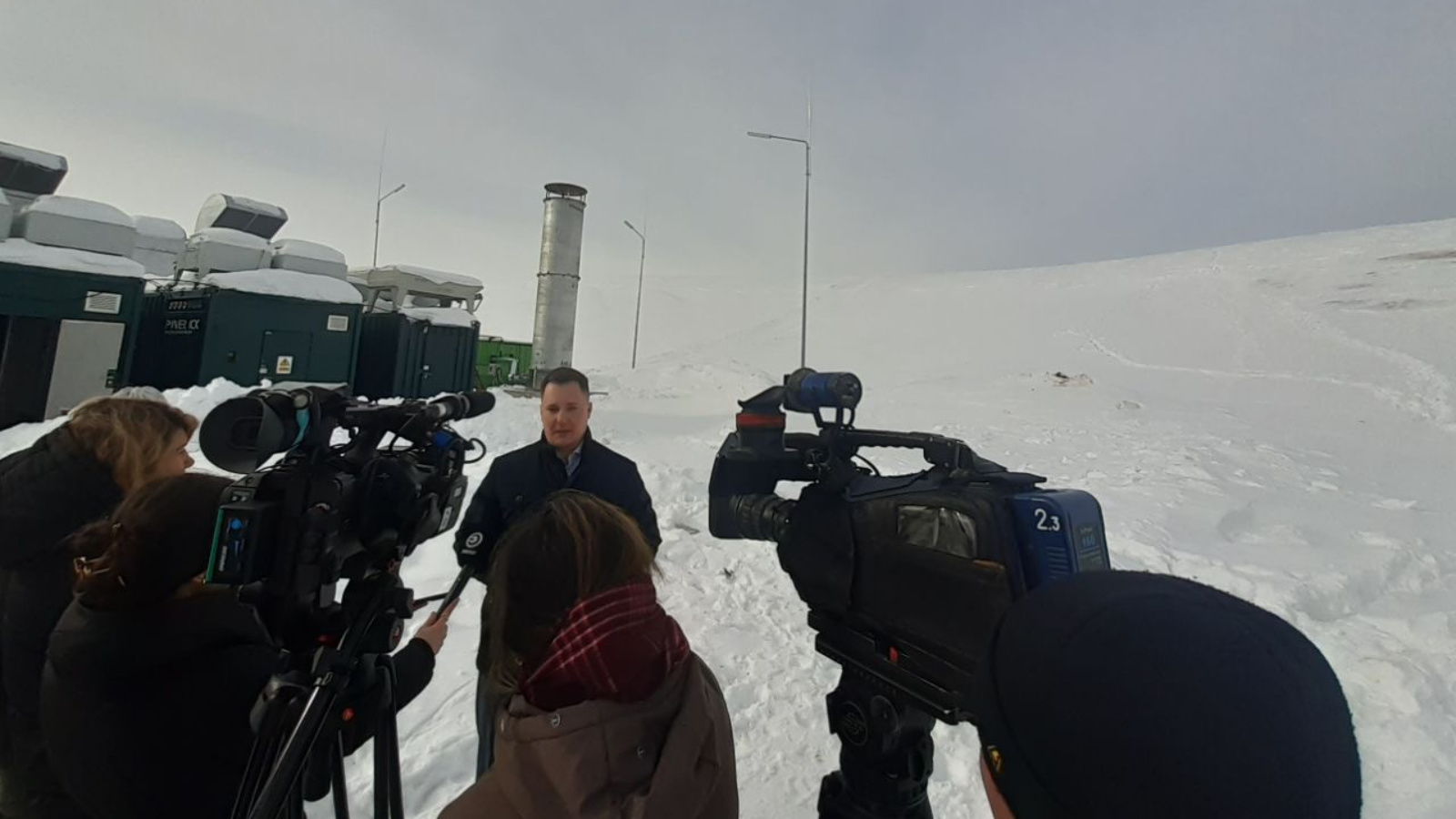
Once upon a time, this particular object became a source of stench for residents of the village of Samosyrovo. On behalf of the Head of Tatarstan, Rustam Minnikhanov, the Executive Committee of Kazan has developed a project for the reclamation of the landfill and to date all work has been completed, the problem has been solved. An active degassing system has been implemented at the facility.
Also, within the framework of the federal Clean Country project, last year, the liquidation of the second section of contaminated land near the village of Shemordan in the Sabinsky district began ahead of schedule. This year, all work should be completed – this facility is among 63 facilities that should be eliminated in 2024.
As Murad Kerimov noted, among the most active in the implementation of activities within the framework of the "Clean Country" are the Moscow Region, the Trans-Baikal Territory, the Kirov, Orenburg, Omsk, Samara, Lipetsk, Kursk regions, as well as the Republics of Tatarstan, Bashkortostan and Chechnya.
Work on the elimination of accumulated damage is continuing. In a message to the Federal Assembly, Russian President Vladimir Putin set the task of removing at least 50 of the most dangerous objects by 2030. This will already be done within the framework of the new federal project "General Cleaning". According to the deputy head of the Ministry of Natural Resources, the regions have already declared 2.5 thousand objects, including applications from Tatarstan. Now it is important to understand which ones have the greatest impact on human health and the environment, Murad Kerimov explained. This will determine the priority and by the end of the year there will be a list of objects that will be removed first. The work will continue on the remaining applications from the regions. About 20 objects were also announced from Tatarstan.
As noted by the Minister of Ecology of Tatarstan Alexander Shadrikov, "Since 2019, 30 events totaling 17.6 billion rubles have been implemented in Tatarstan within the framework of six federal projects of the national Ecology project. For the next two years, from 2024 to 2026, eight more events are planned for 5.7 billion rubles."
In general, 60.5 billion rubles have been allocated for environmental protection measures in the republic over six years. As a result, possible damage in the amount of more than 65 billion rubles was prevented.
For reference:
- Reclamation of the Samosyrovsky landfill on Mamadyshsky trakt street in Kazan at a cost of 872.2 million rubles, including the Russian Federation – 517.3 million rubles, 2021-2023.
- Reclamation of an unauthorized landfill located in the area of the village of Prosti in the Nizhnekamsk district of the Republic of Tatarstan at a cost of 731.3 million rubles, including the Russian Federation – 474.8 million rubles, 2020-2021.
- Reclamation of the landfill of Menzelinsk worth 171.5 million rubles, including the Russian Federation – 133.4 million rubles, 2020-2021.
- Reclamation of disturbed lands by oil-containing pollution in the village of Shemordan of the Sabinsky municipal district of the Republic of Tatarstan, 2 events with a total cost of 221.5 million rubles, including FB - 131.4 million rubles, 2020, 2023-2024.