According to what indicators the rivers of the Republic of Tatarstan are monitored, we will tell you on the World Water Quality Monitoring Day
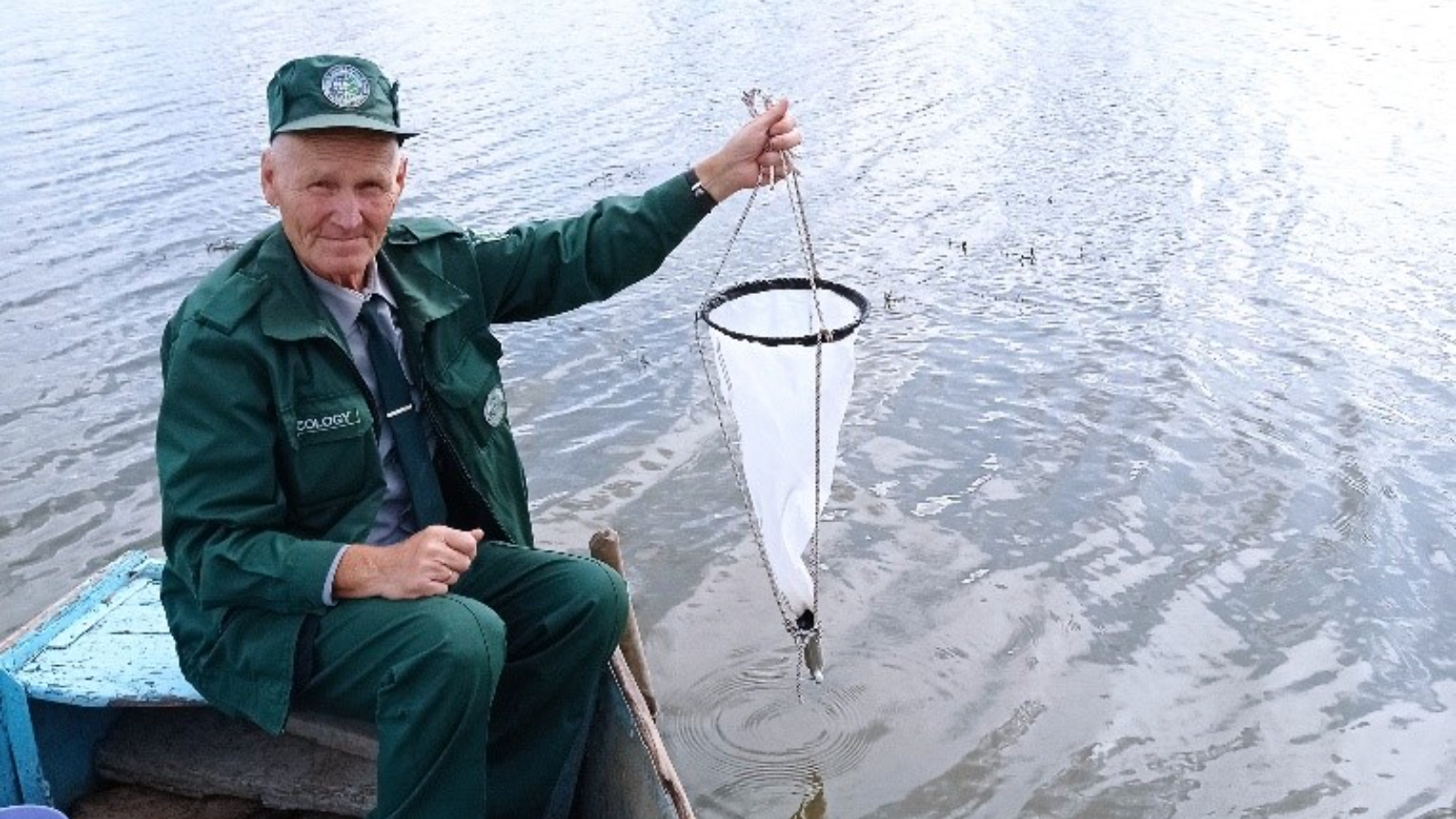
Today, Russia celebrates an international holiday – the World Water Quality Monitoring Day. And today we will tell you about the studies carried out by ecologists of the Ministry of Ecology of the Republic of Tatarstan to assess water quality.
The Ministry of Ecology is monitoring surface water pollution by:
- dissolved oxygen;
- chemical oxygen demand (COD);
- biological oxygen consumption (BPK5);
- ammonium ion, phosphate ion;
- nitrites, nitrates, chlorides, sulfates;
- petroleum products;
- phenol, iron, copper, nickel, zinc, manganese and dry residue.
Hydrobiological studies are also being conducted to assess the state of freshwater ecosystems. These studies help to study the sanitary condition of reservoirs. Studies are carried out using zooplankton – these are microscopic organisms. Due to the ability of the zooplankton organism to withstand a certain level of pollutants, ecologists assess the quality of aquatic ecosystems.
The Ministry of Ecology conducts hydrobiological monitoring of small rivers of the republic, namely the Mesha, Kazanka, Ashit and Sviyagi rivers. The dynamics of reducing the number of exceedances is noticeable. Over the past five years, the water quality has improved on the rivers: Kama, Menzelya, Zai, Sheshma and others. Here, specialists rarely record exceedances of the maximum permissible concentrations of pollutants. However, the Ministry of Ecology does not stop there and continues monitoring water quality.