The Office of the President of the Republic of Tatarstan discussed a set of measures aimed at ensuring the protection of water protection zones
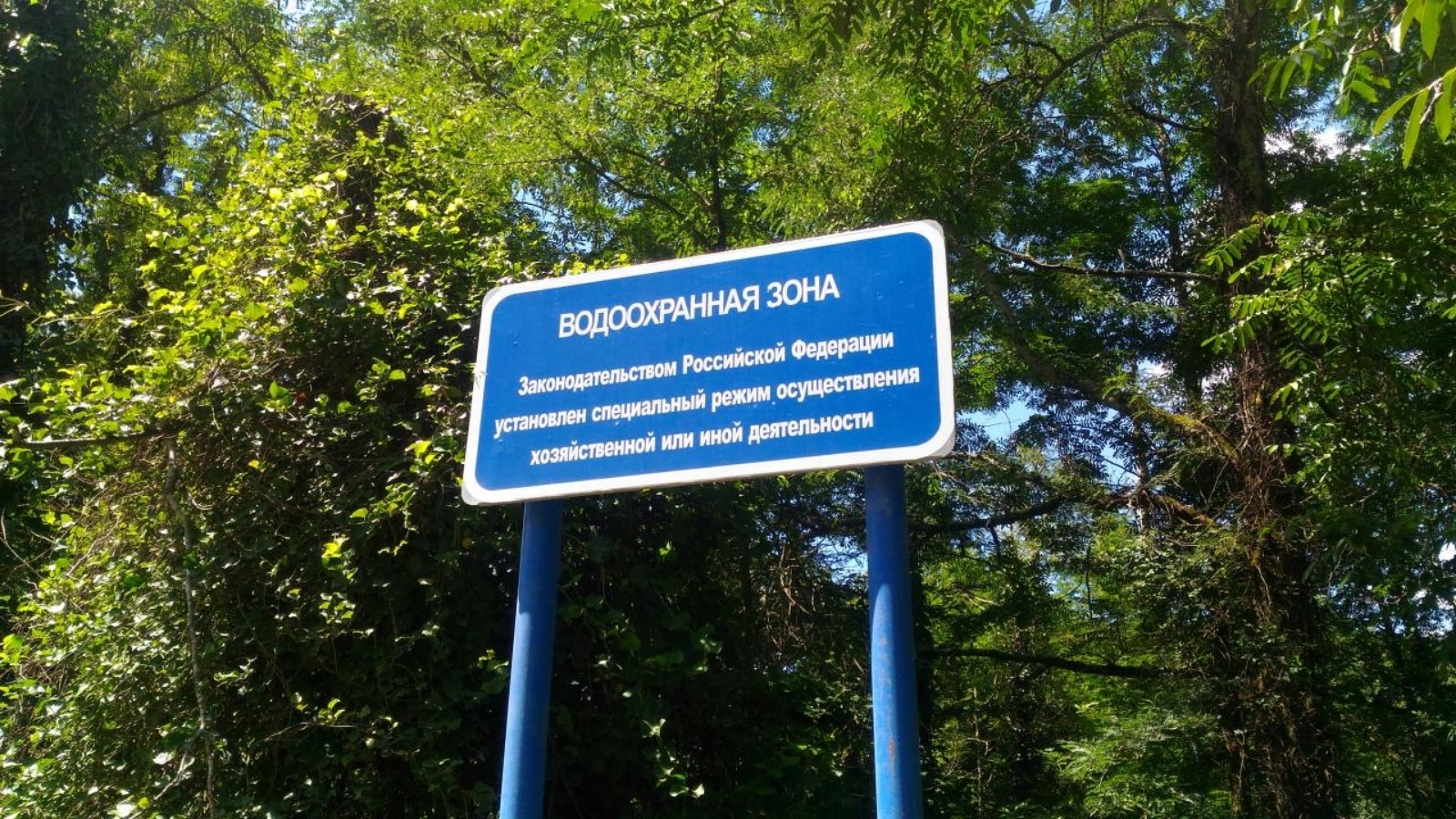
Representatives of the Office of the President of the Republic of Tatarstan on Anti-Corruption Policy, the Kazan Interdistrict Environmental Prosecutor's Office and the Executive Committee of Kazan took part in the discussion of topical issues of ensuring the protection of water protection zones and the implementation of a number of projects. Vyacheslav Dolgov, Head of the Department of Water Protection of the Ministry of Ecology and Natural Resources of the Republic of Tatarstan, spoke about the work of the department in the field of water protection. Currently, work is underway on a comprehensive project "Improving the ecological condition of rivers and reservoirs of the Republic of Tatarstan". Within the framework of the project, information on the composition of the surface waters of the Kazanka River will be collected and analyzed, the causes and sources of the negative impact on the river will be determined, surveys, mapping, zoning of the catchment area will be carried out, and a comprehensive scientific assessment of the effectiveness of the proposed measures to prevent pollution of water bodies will be carried out. In addition, the Ministry of Ecology and Natural Resources of the Republic of Tatarstan, together with the Ministry of Forestry of the Republic of Tatarstan, is working on the possibility of creating water protection protective forest strips along the shores of water bodies located on the territory of the Republic of Tatarstan. Vyacheslav Dolgov also noted that traditionally, much attention in the republic is also paid to state environmental supervision.
For reference:
Since 2013, at the expense of subventions from the federal budget, within the framework of the transferred separate powers of the Russian Federation in the field of water relations, in order to suppress the facts of illegitimate water use and restrict the free access of citizens to water bodies, work has been carried out to establish the coastline, boundaries of water protection zones and coastal protective strips of water bodies on the ground. According to the results of these works, information about water bodies is entered into the State Water Register and the Unified State Register of Real Estate in accordance with the procedure established by law.