The Federal Scientific and Technical program in the field of environmental development until 2030 has been approved
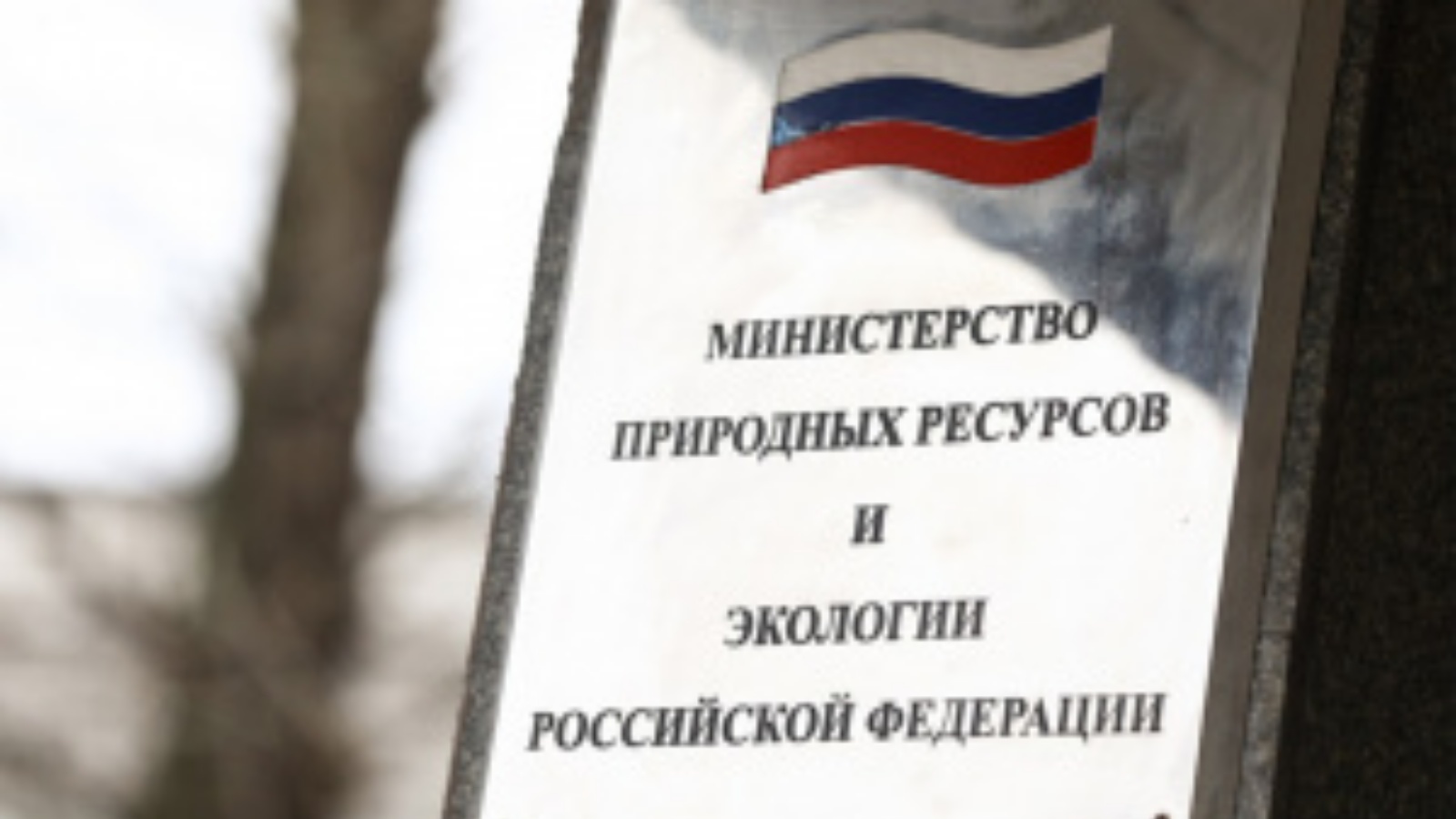
The document was developed by the Ministry of Natural Resources of Russia, and signed by the Prime Minister Mikhail Mishustin.
The program is aimed at creating high-tech technological solutions aimed at studying the climate; mechanisms of adaptation to climate change and its consequences, as well as taking measures to reduce the negative impact of gases on the environment. This is reported on the official website of the Ministry of Natural Resources and Ecology of the Russian Federation.
FSTP includes three areas:
1. monitoring and forecasting of the state of the environment and climate;
2. mitigation of anthropogenic impact on the environment and climate;
3. adaptation of ecological systems of the population and economic sectors to climate change.
The expected results of the program are developed, tested and internationally recognized models for the use of low-carbon technologies in economic sectors, as well as greenhouse gas absorption technologies.
In addition, a system for monitoring greenhouse gas flows and the carbon cycle will be developed.
"Thanks to the program, there will be methodologies and tools for assessing both environmental consequences and negative impacts on humans, a scientific center, a modeling system, and a national technological base," the Minister of Natural Resources and Ecology Alexander Kozlov noted.
For reference:
The document was prepared within the framework of the Decree of the President of Russia No. 76 "On measures to implement the state scientific and technical policy in the field of environmental development of the Russian Federation and climate change".
The volume of budget allocations for the implementation of the Program at the expense of funds provided in the federal budget is 5926,652 million rubles, including:
for 2021 - 1528.413 million rubles;
for 2022 - 1517.613 million rubles;
for 2023 - 1489.213 million rubles;
for 2024 - 1391.413 million rubles.
Sources of funding: federal budget funds for the implementation of the state programs of the Russian Federation "Scientific and Technological development of the Russian Federation", "Environmental protection", "Reproduction and use of natural resources", "Forestry Development", "Education Development", "Development of Industry and increasing its competitiveness", the State Program for the Development of Agriculture and regulation of agricultural products, raw materials and food markets; budget allocations of the budgets of the subjects of the Russian Federation; funds from extra-budgetary sources.
Earlier, the Government approved the Strategy of Socio-economic Development of Russia with low Greenhouse Gas Emissions until 2050. The target scenario described in the strategy assumes economic growth while reducing greenhouse gas emissions. It is planned that by 2050 their net emissions will decrease by 60% from the level of 2019 and by 80% from the level of 1990. Further implementation of this scenario will allow Russia to achieve carbon neutrality by 2060.
Starting from 2023, Russia plans to launch a system of mandatory carbon reporting for enterprises.