"The secret is simple: caring and the system": Deputy Minister of Ecology of the Republic of Tatarstan revealed the formula of Tatarstan's leadership in the Water of Russia campaign
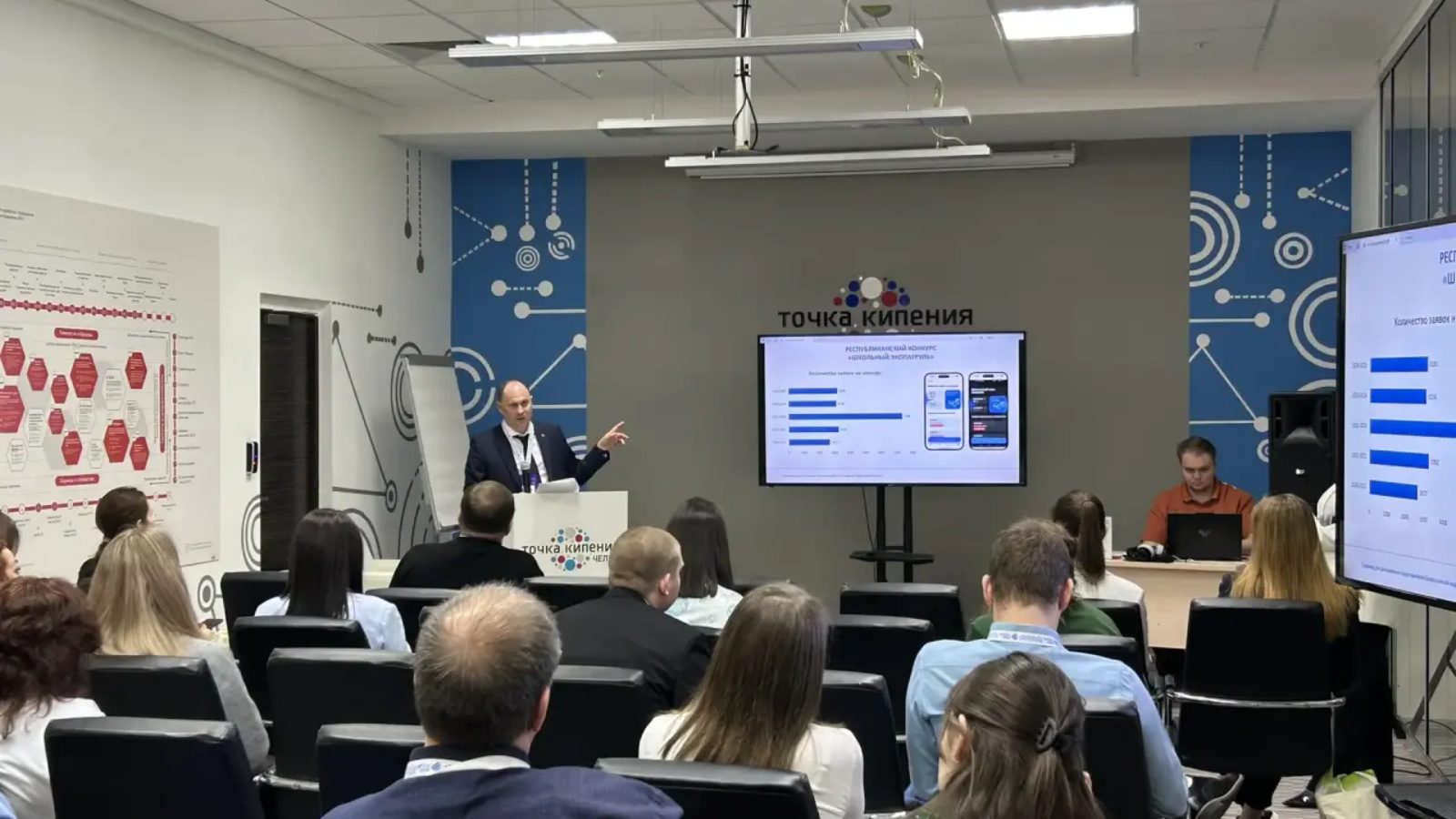
A strategic seminar for regional representatives of the campaign was held in Naberezhnye Chelny as part of the Ecological Congress "Water of Russia". The key speaker was Ilnur Nasretdinov, Deputy Minister of Ecology and Natural Resources of the Republic of Tatarstan. In his report, he not only summed up the results, but also formulated the "secret of success" of the region, which for the fifth year in a row holds the absolute leadership in the All-Russian coastal cleaning marathon.
According to Ilnur Nasretdinov, the simple arithmetic of victories consists of three components: the total involvement of the population, the systematic support of eco-activists and the constant updating of work formats.
Self-explanatory numbers:
In 2025 alone, Tatarstan hosted more than 8,000 environmental events. 410,479 residents joined the cleaning of coastal areas, which is almost one in ten residents of the republic. Through joint efforts, over 11,000 kilometers of coastline have been cleared.
"The impressive result was made possible thanks to the active citizenship of Tatarstan residents and their desire to preserve the natural wealth of their native land," the Deputy minister stressed. "But just going out on a clean—up day is not enough, it is important to maintain this spark all year round."
As Nasretdinov noted, the key to success lies in the evolution of environmental education. Tatarstan was the first to introduce a system of encouragement and competitiveness. The republic has projects in its arsenal that transform nature protection into a way of life. These are the contests "Ecovesna", "School Ecopatrol", "ECOleader", where the best activists and mentors are celebrated, creating a "fashion" for environmental friendliness.
Special attention was paid at the seminar to the youth "army" of the republic. It is the active work of the Youth Environmental Movement "It will be clean" and close cooperation with the Regional Branch of the Russian Geographical Society in the Republic of Tatarstan that allow Tatarstan not only to collect kilometers and tons of garbage, but to build a long-term culture of respect for water.