In 2025, Kazan residents' complaints about the quality of atmospheric air decreased by 3 times
A comprehensive scientific and technological approach to solving the problem of air quality in the northern part of Kazan has brought the first significant results. As reported at the final board of the Ministry of Ecology of the Republic of Tatarstan, by the end of 2025, the number of complaints from residents of this area decreased by 3 times, and the number of recorded exceedances of maximum permissible concentrations (MPC) – by 8 times.
Let us recall that in 2023-2024, this problem caused the largest number of complaints from citizens. Instead of point measures, a system analysis was applied. Extensive research was conducted with the participation of Rospotrebnadzor and leading scientists from Lomonosov Moscow State University. Using chromatography-mass spectrometry and mathematical modeling, the experts identified the main sources of unpleasant odors and pollutants.
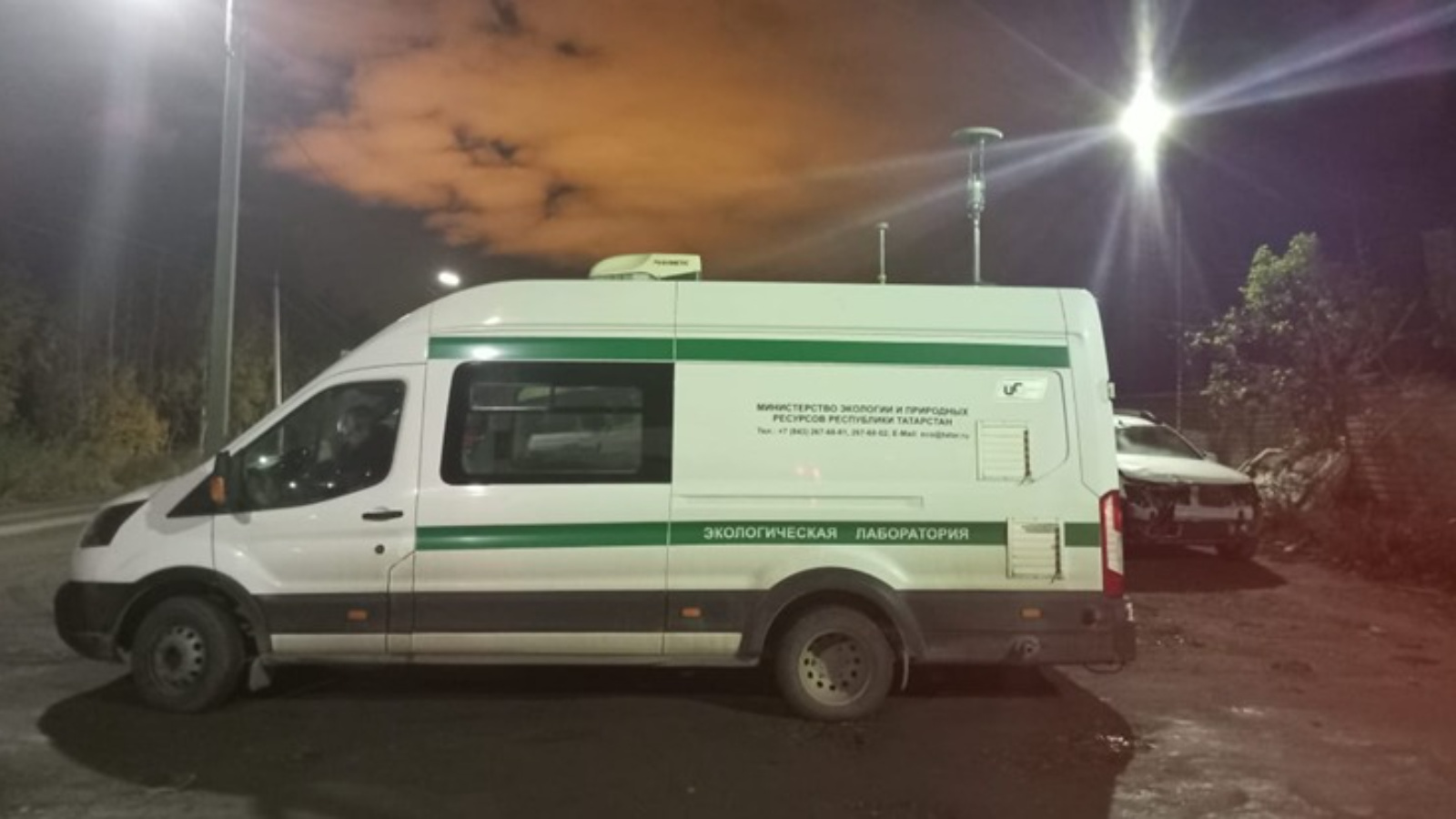
"We have moved from the ecology of reaction to the ecology of forecasting. Monitoring has been intensified in the area: an additional stationary station has been installed, and regular night raids of a mobile laboratory have been organized. Two large–scale scientific works have been carried out," Azat Ziganshin explained.
Already in 2025, a new decree of the Government of the Republic of Tatarstan was introduced, regulating the load on the atmosphere within a radius of 3 km from the city. Now, any new or expanded production facility is required to undergo in-depth impact analysis using the pollution summary calculation system, which has successfully proven itself in Nizhnekamsk. In 7 years, the number of complaints about air has decreased by a record 145 times.
Currently, together with scientists from Moscow State University and Novosibirsk, work is underway on a system for mathematical modeling of the spread of pollution in real time. This will allow not only to record, but also to predict the situation, preventing potential problems, which corresponds to the goals of the national project "Environmental well-being".