More than 4,000 wells were tested in Tatarstan as part of a large-scale audit of water intakes, the first comprehensive assessment of drinking water in Russia
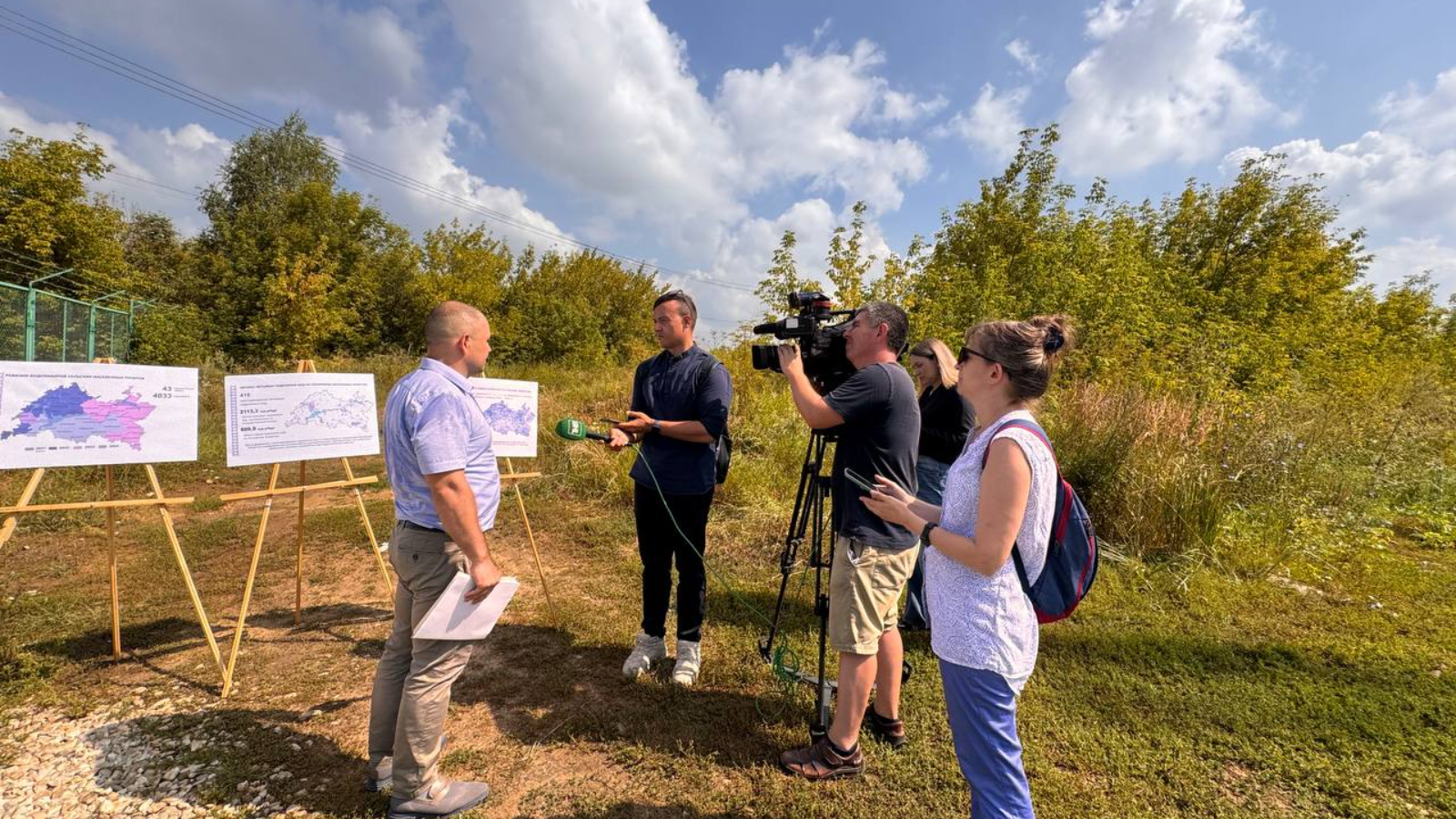
On behalf of the President of Tatarstan, Rustam Minnikhanov, a large-scale audit of all existing water intakes supplying drinking water to residents of Tatarstan has been launched in the Republic since 2021. During the 3 years of the project, 4,033 wells were tested in 43 districts of the republic. This large-scale campaign, implemented in support of the national Environmental Well-Being project, made Tatarstan the first region in Russia to comprehensively check the condition and quality of underground water supply sources. The audit was carried out by the organization GBU NPO Geocenter, subordinate to the Ministry of Ecology of Tatarstan.
Today, during a press tour in Laishevsky district, Mars Valiev, Director of NPO Geocenter RT, and Samat Vakhitov, Deputy Director, told how this audit work took place.
The revision consisted of several stages. First, a visual inspection of wells and sanitary zones of the first protection belt was carried out — an area with a radius of 30-50 meters, where the location of objects that may pollute the source is prohibited. Then a technical inspection of the condition of the wells was carried out. Special attention was paid to the sampling of water for laboratory tests, which were carried out in certified laboratories in order to accurately assess the quality of drinking water.
During the audit, 159 water intakes were examined in the Laishevsky district. The specialists checked the technical condition of the wells, the compliance of the sanitary protection zones with regulatory requirements, and also conducted water sampling for chemical analysis.
In the village of Stolbyshche, 9 water intakes were examined, which provide drinking water to over five thousand residents. All the work was carried out in close cooperation with local governments and residents of settlements.
"High-quality drinking water is the health of the population and the foundation for the sustainable development of the regions. We do not just identify problems, but we offer specific solutions and plans to eliminate them," said Mars Valiev, Director of the NGO Geocenter of the Republic of Tatarstan. — Tatarstan has significant reserves of fresh groundwater. More than 500 deposits have been identified, 419 of them with drinking water and reserves exceeding 2 million cubic meters per day. In terms of water resources per capita, the republic occupies a leading position in the Volga Federal District."
He stressed that the audit is a large-scale but extremely important work that will provide residents with high-quality drinking water for many years to come.
As the speaker told reporters, according to the results of the audit of the districts, several key problems were identified:
- Outdated infrastructure. The wells are about 35 years old on average, and many were drilled before 1990, which means that planned reconstruction and maintenance are needed.
- In some places, the quality of natural groundwater does not meet the SanPiN standards, which is due to the peculiarities of the geological structure of the territory and requires the introduction of water treatment systems.
- There are also questions about the condition of the first sanitary protection belt at many water intakes, which creates a risk of contamination of the sources.
Based on the results of the audit, an individual roadmap will be drawn up for each district of Tatarstan — an action plan for updating and strengthening water intakes. It will include recommendations for repairing wells, increasing sanitary protection zones, installing purification systems, completing documentation, and organizing regular monitoring of water quality.
"The audit is a complex process, thanks to which we see the real state of the water intakes, and close cooperation with municipalities and residents will allow us to gradually implement all the planned steps," added Deputy Director Samat Vakhitov.
Thanks to the audit, Tatarstan is strengthening its position as the leader of the Volga Federal District in providing the population with high-quality fresh groundwater. The project can become an example for other regions of Russia, demonstrating a systematic and responsible approach to one of the most important tasks — providing the population with high-quality drinking water, which directly affects health and quality of life.